April 1, 2026
Soil erosion and degradation are critical challenges in land management, threatening both environmental health and structural stability. One innovative solution increasingly used to address these issues is hydrojetting, a technique that uses high-pressure water to stabilize and protect soil. As communities and industries focus on sustainable land management, this approach provides a precise, efficient, and environmentally friendly alternative to traditional soil control methods. Understanding how this process works and its benefits can help landowners and managers preserve soil integrity and prevent long-term damage.
Healthy soil is essential for supporting vegetation, regulating water flow, and maintaining ecosystems. Practices like hydrojetting that enhance soil structure, such as the use of pressurized water applications, contribute to robust and resilient landscapes. This technique ensures water penetrates compacted layers, promotes aeration, and preserves nutrients. The result is soil that can better resist erosion while supporting plant growth and sustaining environmental functions.
Understand Soil Stabilization Techniques
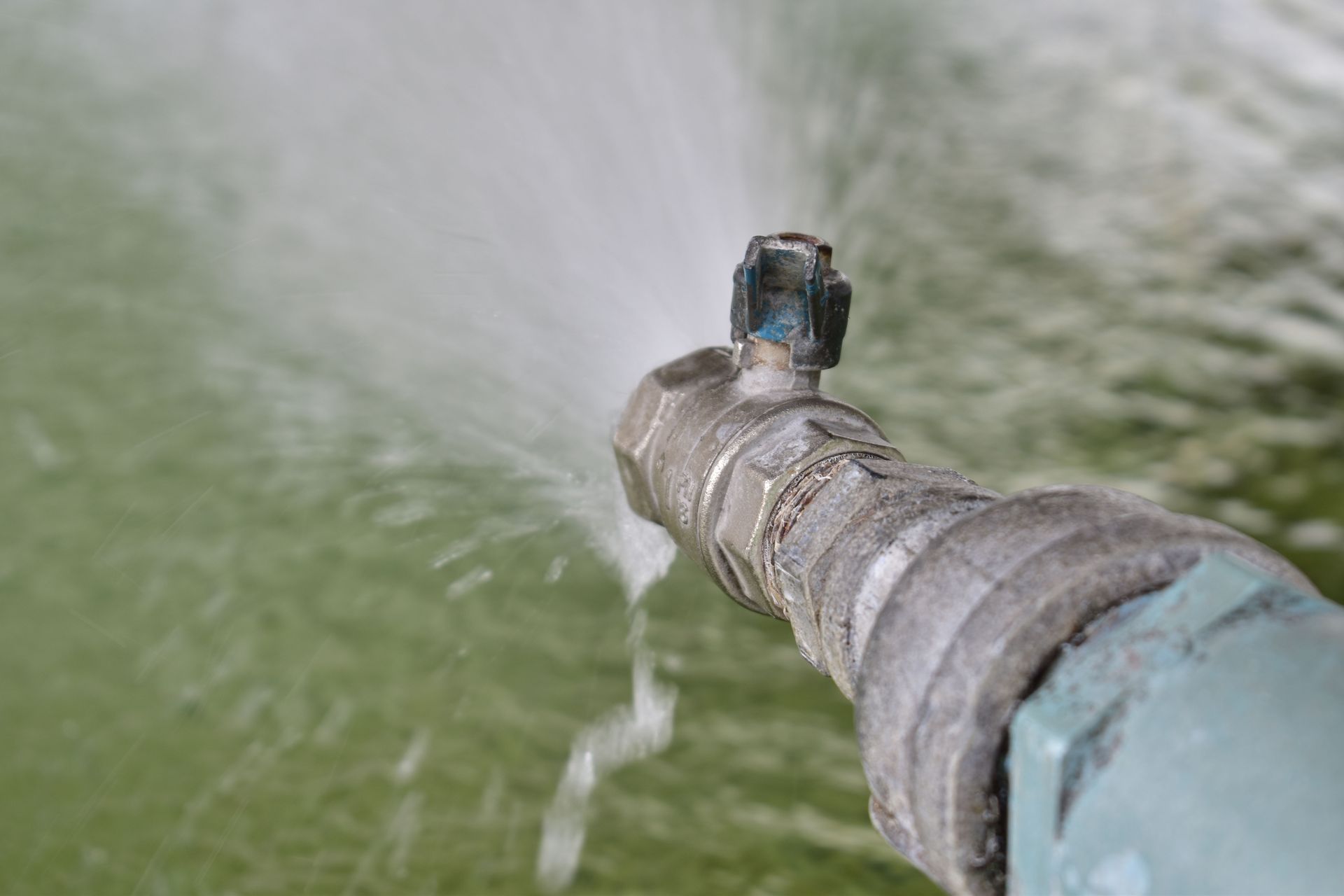
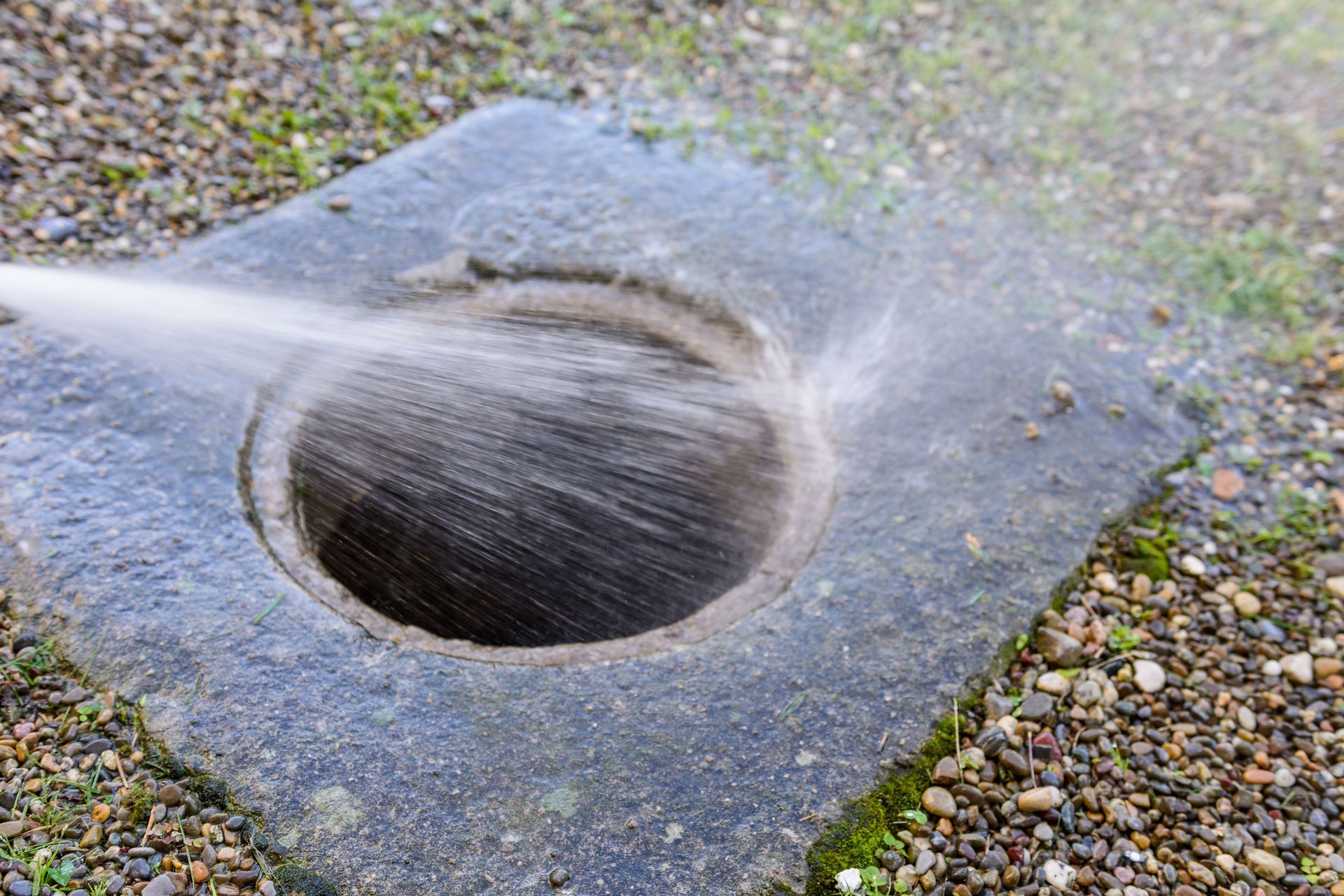
Hydrojetting relies on directed water streams to break up compacted soil and remove debris, improving aeration and water retention. Unlike heavy machinery, this method reduces disturbance to existing soil structures, preserving the layers necessary for plant roots and microbial activity. High-pressure water jets can dislodge compacted material effectively, even in dense clay or debris-filled areas. According to Home Guide, a typical application takes an average of between two and three hours to complete, demonstrating both efficiency and precision.
Beyond debris removal, hydrojetting strengthens soil cohesiveness and promotes moisture retention, fostering an environment conducive to vegetation. By minimizing compaction and enhancing permeability, the soil becomes more resilient to natural and human-induced erosion. Understanding these mechanisms allows operators to optimize the technique for different environments, from residential landscapes to agricultural fields.
Select Appropriate Equipment and Methods
Equipment for hydrojetting spans a wide range, from mobile units designed for tight urban and residential spaces to larger stationary systems intended for extensive agricultural or industrial projects. Operators rely on specialized nozzles, adjustable pressure settings, and rotary or vibrating mechanisms to effectively manage different soil compositions, from compacted clay to debris-laden areas. Choosing the right equipment is essential not only for efficient operation but also for maximizing soil stability, promoting proper water drainage, and preventing erosion. The versatility of these systems allows operators to tackle challenging terrain and varying site conditions without causing unnecessary environmental disruption.
Before beginning a project, professionals typically conduct thorough site evaluations to determine the most appropriate tools and techniques. Factors such as soil type, topography, vegetation, and drainage patterns are carefully considered to tailor the hydrojetting approach to the property’s unique requirements. This customized strategy ensures that the intervention is both effective and sustainable over the long term. When combined with skilled application, proper equipment and methodology provide a powerful, adaptable solution for maintaining healthy soil, protecting landscapes, and mitigating erosion across diverse environments.
Compare to Traditional Soil Management
Hydrojetting differs from traditional methods such as mechanical excavation or chemical treatments. Mechanical techniques often disturb soil layers and increase erosion risk, while chemical solutions can introduce pollutants into ecosystems. In contrast, the water-based process stabilizes soil, reduces compaction, and avoids chemicals, aligning with sustainable land management practices.
The process is also more efficient than manual or machinery-intensive methods, often achieving comparable or better results with fewer resources. By integrating this approach with traditional measures, such as vegetation restoration or terracing, land managers can create comprehensive erosion control strategies that balance engineering precision with natural resilience.
Support Various Industries and Applications
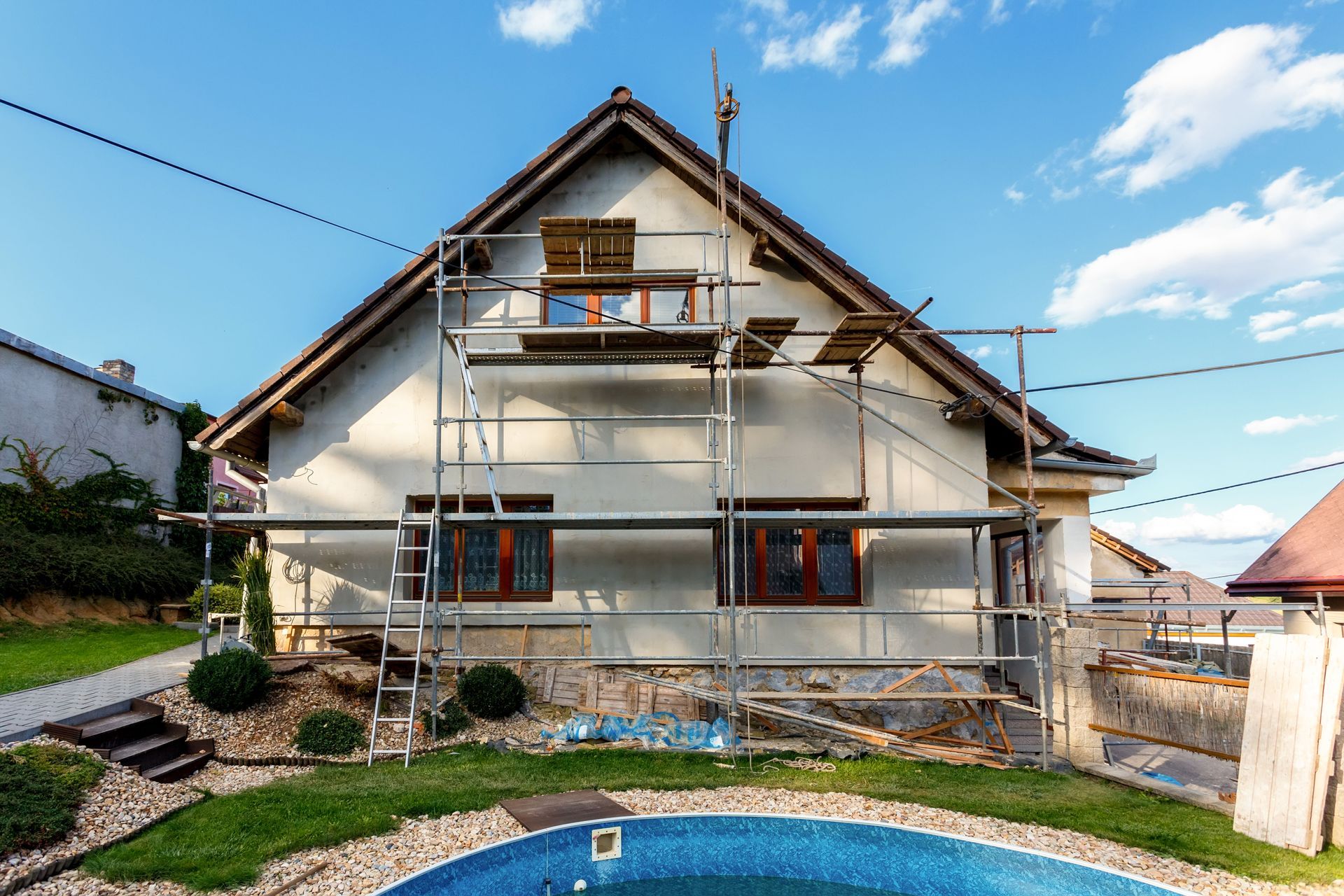
Agriculture benefits from enhanced soil health, nutrient retention, and erosion prevention, supporting crop productivity and sustainable practices. Construction sites also gain stability, minimizing soil displacement and subsidence that could delay projects or compromise structural integrity. Public infrastructure projects, including urban drainage systems and highway maintenance, use these techniques to maintain operational efficiency and prevent costly damage.
Beyond sector-specific applications, the method is increasingly applied in environmental conservation and ecosystem restoration efforts. Its precision, scalability, and environmentally friendly nature make it a popular choice for a wide range of initiatives, highlighting its versatility as a tool in sustainable land management.
Enhance Soil Health and Ecosystem Stability
Improving soil structure is central to erosion prevention. By increasing aeration, reducing compaction, and stabilizing particles, this technique allows roots to penetrate deeply, anchoring soil and reducing displacement. The restored moisture balance also supports microbial activity and plant growth, maintaining ecosystem functions such as nutrient cycling, water filtration, and carbon sequestration.
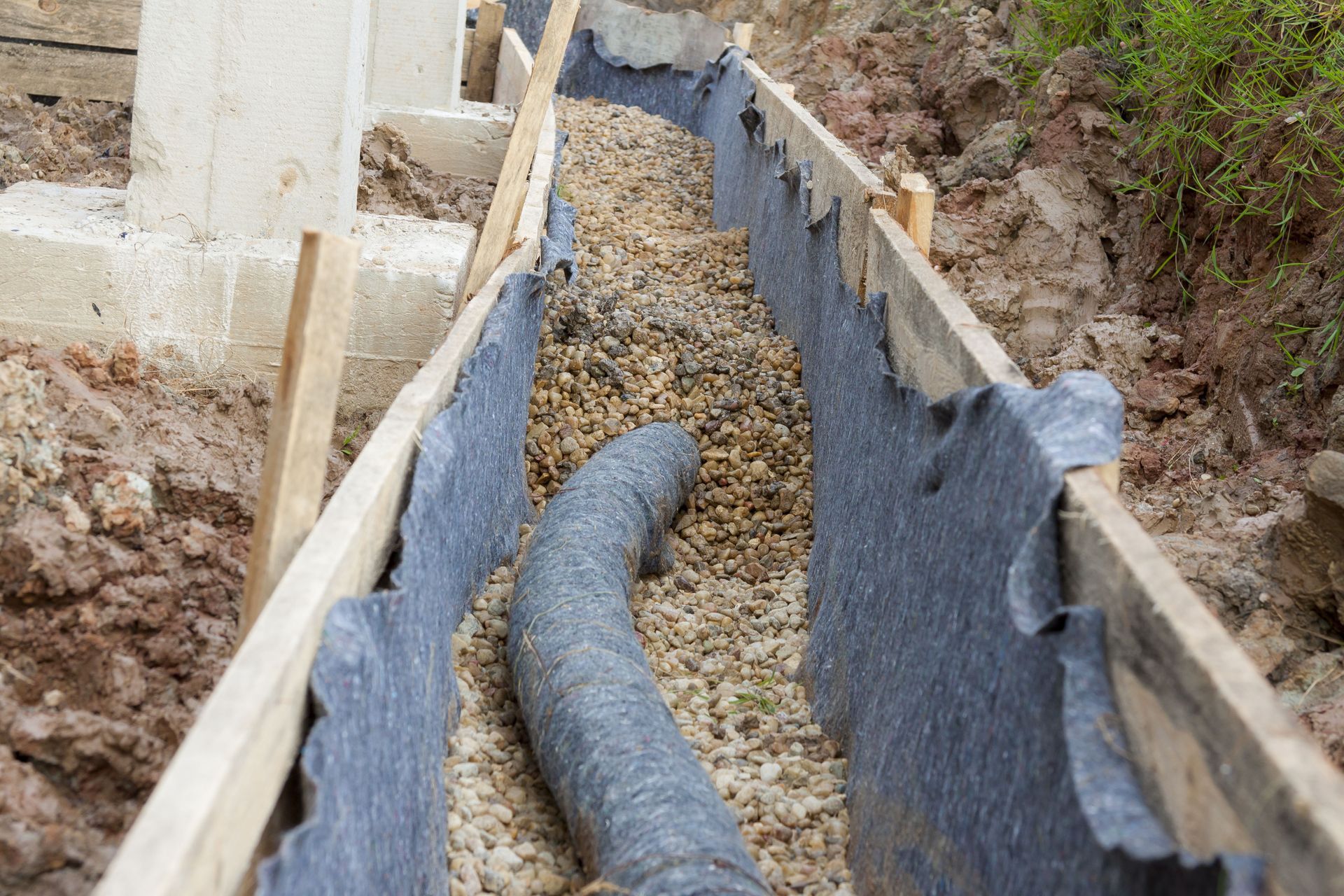
Water flow management is another key benefit. By clearing obstructions, the method improves drainage and prevents surface runoff that can strip soil layers. It also supports the creation of terraces or channels, stabilizing land and reducing sediment transport. Enhanced root development further strengthens soil, with healthy vegetation acting as a natural barrier against erosion while reducing irrigation needs.
Sediment control is improved through precise applications that prevent downstream displacement, protecting aquatic ecosystems and infrastructure. This approach often eliminates the need for temporary barriers, integrating erosion prevention seamlessly into the landscape. Consistent application acts as a preventative measure, maintaining long-term soil stability and supporting sustainable land management goals.
Address Causes and Consequences of Erosion
Soil erosion arises from natural forces, including heavy rainfall, wind, and flooding, as well as human activities such as deforestation, overgrazing, and urban development. Coastal areas face erosion from rising sea levels and storm surges, while inland regions experience soil loss due to altered land use and climate conditions. These factors collectively degrade ecosystems, reduce soil fertility, and threaten biodiversity.
The impacts of erosion extend to agriculture, infrastructure, and natural habitats. Crop yields decrease as topsoil is lost, and roads, bridges, and buildings may suffer structural damage. Ecosystems are also compromised, with habitat loss affecting plant and animal communities. Addressing these challenges requires innovative and sustainable solutions capable of restoring soil stability while minimizing environmental disruption.
Learn from Case Studies and Adaptation
Examples of severe erosion demonstrate the importance of intervention. The Loess Plateau in China and the Sahel region of Africa have faced long-term soil degradation due to intensive land use and climate variability. Restoration efforts, including vegetation rehabilitation and controlled water management, have shown that proactive strategies can reverse damage and promote sustainability. In the U.S., coastal Louisiana experiences wetland loss from subsidence and sea-level rise, highlighting the need for large-scale preventive measures.
Adapting these techniques to local climates ensures effectiveness. Cold-weather kits, weatherproof housings, or specialized nozzles allow operators to optimize performance across diverse conditions. Seasonal demands, such as increased irrigation during summer or stabilization needs in rainy seasons, are addressed through careful planning and strategic application.
Promote Environmental Sustainability
The water-based technique minimizes chemical usage and mechanical disruption, reducing environmental impact. It enhances soil health, preserves water quality, and supports ecosystems. Alternative practices such as vegetation restoration complement these methods, creating resilient landscapes that withstand both natural forces and human activities. Continued research and technological advancements improve precision, efficiency, and scalability, promoting long-term sustainability.
Hydrojetting offers a precise, efficient, and environmentally responsible solution for preventing soil erosion and preserving land integrity. By improving soil structure, managing water flow, enhancing root development, and controlling sediment, this technique protects ecosystems while supporting sustainable land management practices. Tailoring equipment, methods, and strategies to specific sites ensures optimal outcomes across diverse landscapes.
If you are ready to protect your property and maintain healthy, stable soil, contact us at Plourde Excavating LLC today. We will help you implement effective erosion control strategies that safeguard your land for years to come.